
Anúncios
Understanding fabric weight and drape is the foundation for creating balanced, flattering silhouettes that enhance your natural proportions and elevate your personal style effortlessly.

🎨 The Science Behind Fabric Weight and Your Silhouette
Fabric weight refers to the density and thickness of textile materials, measured in grams per square meter or ounces per square yard. This fundamental characteristic determines how a garment hangs on your body, creates volume, and ultimately affects your overall appearance. When you master the relationship between fabric weight and your body proportions, you unlock the ability to dress with intention and confidence.
Lightweight fabrics like chiffon, silk charmeuse, and fine cotton typically weigh less than 150 grams per square meter. Medium-weight fabrics such as poplin, twill, and standard denim fall between 150-350 grams. Heavyweight materials including wool coating, canvas, and thick leather exceed 350 grams. Each category serves distinct styling purposes and creates dramatically different visual effects on the body.
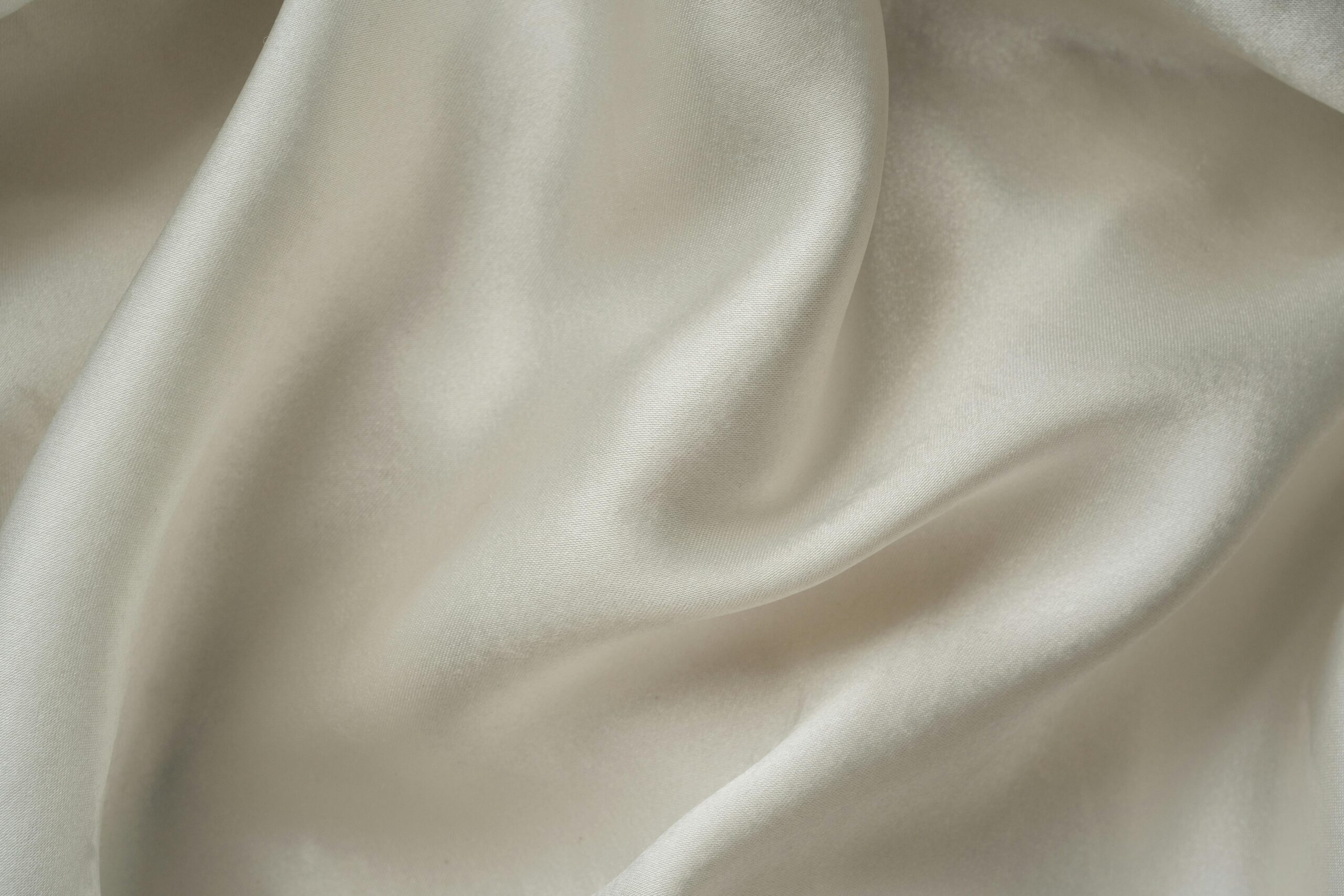
The drape quality of fabric describes how it falls and moves when suspended. Fluid draping fabrics follow the body’s contours naturally, while structured fabrics maintain their shape independently. This characteristic works in tandem with weight to determine the final aesthetic outcome of any garment you wear.
Decoding Drape: The Movement That Defines Your Look
Drape is influenced by fiber content, weave structure, fabric finish, and weight. Natural fibers like silk and rayon typically offer superior drape compared to synthetic materials, though modern textile engineering has created synthetic fabrics with exceptional draping qualities. The weave pattern also matters significantly—satin weaves create smooth, flowing drape while plain weaves offer more structure.
When fabric drapes beautifully against your body, it creates vertical lines that elongate your figure. Poor drape can add unwanted bulk, create unflattering horizontal lines, or make you appear larger than you are. Understanding this principle allows you to select garments that work with your body rather than against it.
Soft drape works exceptionally well for creating romantic, feminine silhouettes. Think flowing maxi dresses, bias-cut slip skirts, and fluid blouses. These pieces skim the body without clinging, offering a flattering middle ground between tight and oversized. Crisp drape, found in materials like taffeta or heavily starched cotton, creates dramatic volume and architectural shapes perfect for statement pieces.
How Different Body Types Benefit from Specific Drape Qualities
Your body proportions should guide your fabric drape choices. If you have a rectangular body shape with minimal curves, fluid draping fabrics add softness and create the illusion of movement and dimension. These materials help break up straight lines and introduce visual interest without overwhelming your frame.
For hourglass figures, both structured and flowing drapes work beautifully, but the key is balance. Fabrics with moderate drape that skim curves without adding bulk showcase your proportions perfectly. Avoid extremely stiff fabrics that stand away from the body, as they can hide your natural waist definition.
Pear-shaped bodies benefit from strategic drape placement. Flowing, lightweight fabrics on top create balance with heavier lower proportions, while more structured fabrics on the bottom provide foundation without adding volume. This creates harmonious visual equilibrium across your entire silhouette.
✨ Strategic Fabric Weight Selection for Perfect Proportions
Selecting appropriate fabric weights for different areas of your body is an advanced styling technique that fashion insiders use consistently. Heavy fabrics naturally create more volume and visual weight, making areas appear larger and more substantial. Conversely, lightweight fabrics minimize areas and create sleeker lines.
This principle allows for strategic styling based on your proportions goals. If you want to balance narrow shoulders, choosing tops in medium to heavy-weight fabrics with structure adds presence to your upper body. For those looking to minimize hip width, lightweight, non-clinging fabrics in darker colors create a streamlined effect.
The seasonal aspect of fabric weight cannot be ignored, but it shouldn’t dictate your choices entirely. While heavy wools naturally suit winter and lightweight linens belong to summer, understanding layering techniques allows you to wear various weights year-round while maintaining proportion balance.
Creating Visual Balance Through Weight Distribution
The concept of visual weight distribution is crucial for achieving balanced proportions. When your outfit has similar fabric weights throughout, it creates a cohesive, unified appearance. However, strategic contrast in fabric weights can draw attention to specific areas or create intentional focal points.
Consider pairing a structured, medium-weight blazer with fluid, lightweight trousers. This combination creates a grounded upper body while allowing movement and grace in the lower half. The contrast keeps the eye moving, creating dynamic interest while maintaining overall balance.
For petite frames, avoiding overly heavy fabrics prevents overwhelming your proportions. Lightweight to medium-weight fabrics in structured silhouettes provide shape without drowning your figure. Taller individuals can embrace heavier fabrics more freely, using weight to create presence and intentional volume.
The Interplay of Texture, Weight, and Drape
Texture adds another dimension to the fabric weight and drape equation. Textured fabrics like bouclé, tweed, or ribbed knits create visual interest and can affect how weight is perceived. A lightweight fabric with significant texture may appear heavier than its actual weight, while a smooth heavyweight fabric might seem more refined and less bulky.
Combining different textures within one outfit requires consideration of both weight and drape. A chunky knit sweater paired with smooth leather pants creates textural contrast while maintaining proportion balance if both pieces have appropriate weight distribution. The structured drape of leather grounds the soft, voluminous knit beautifully.
Sheer fabrics present unique opportunities for layering different weights without adding bulk. A sheer overlay in lightweight fabric over a structured base creates depth and dimension while maintaining clean lines. This technique is particularly effective for adding visual interest to minimalist silhouettes.
🌟 Practical Applications: Building Your Wardrobe with Purpose
When shopping for new pieces, always examine fabric weight and drape before purchasing. Hold the garment up to observe how it falls. Does it flow gently or stand away from the body? Drape it over your arm to assess weight. These simple tests provide valuable information about how the piece will function in your wardrobe.
Building a versatile wardrobe requires pieces in various fabric weights and drape qualities. This diversity allows you to create balanced outfits for different occasions and proportional goals. Your foundational pieces should include structured items in medium weights, fluid pieces in lightweight materials, and a few statement items in heavier fabrics.
Consider creating a mental or physical inventory of your current wardrobe organized by fabric weight and drape. This exercise reveals gaps in your collection and highlights opportunities for better proportion balance. You might discover you own predominantly heavy fabrics, limiting your ability to create lightweight, flowing looks.
Seasonal Transitions Without Compromising Proportion
Transitioning between seasons while maintaining proportion balance requires thoughtful layering and fabric selection. Lightweight base layers in flowing fabrics can be topped with structured, heavier outer layers, creating dimension without bulk. This approach keeps proportions balanced while adapting to temperature changes.
Spring and fall present perfect opportunities to practice weight mixing. Pair a lightweight silk blouse with a medium-weight wool trouser and structured cotton trench. Each layer contributes different weight and drape qualities, creating a sophisticated, well-balanced ensemble that transitions smoothly between indoor and outdoor environments.
Summer styling challenges conventional fabric weight wisdom. While lightweight fabrics dominate warm-weather wardrobes, incorporating pieces with structure prevents outfits from appearing too casual or unfinished. A crisp cotton poplin shirt in lightweight fabric provides structure through weave rather than weight, maintaining polish without heat retention.
Advanced Techniques for Proportion Perfection
Color selection interacts with fabric weight and drape to enhance or diminish proportional effects. Dark, heavyweight fabrics create the strongest minimizing effect, while light colors in the same weight appear more substantial. Understanding this relationship allows you to fine-tune your proportional goals with precision.
The concept of visual anchoring uses strategic fabric weight placement to ground your silhouette. Heavier fabrics at the hem of pants or skirts create stability and prevent outfits from appearing top-heavy. This technique is particularly effective when wearing voluminous tops or layered upper bodies.
Bias-cut garments deserve special consideration in proportion planning. Cutting fabric on the bias dramatically changes drape characteristics, creating fluid movement even in typically structured materials. Bias-cut pieces in medium-weight fabrics offer the perfect balance between structure and flow, flattering nearly every body type.
Pattern and Print Considerations with Fabric Properties
Patterns and prints add visual weight independent of actual fabric weight. A lightweight fabric with bold, large-scale prints creates more visual presence than the same weight in solid colors. Combining pattern with fabric weight knowledge allows sophisticated styling choices that balance both physical and visual weight.
Small-scale prints on lightweight, flowing fabrics create movement without overwhelming proportions. This combination works beautifully for creating feminine, romantic looks that maintain appropriate scale for petite or delicate frames. Larger prints require careful consideration of both fabric weight and drape to avoid adding unintended bulk.
Geometric patterns on structured, medium-weight fabrics create modern, architectural silhouettes. The combination of print direction and fabric drape can enhance or minimize different body areas. Vertical patterns on fabrics with good drape elongate the figure, while horizontal patterns on structured fabrics create width and presence.
💫 Troubleshooting Common Proportion Challenges
When an outfit feels unbalanced, fabric weight and drape are often the culprits. If you appear top-heavy, your upper garments may be too heavy or structured compared to flowing bottoms. Adding weight to lower pieces or lightening upper layers restores equilibrium.
Proportion issues often manifest as feeling “drowned” by clothing or appearing larger than you are. These problems typically stem from fabric weights inappropriate for your frame or drape qualities that add unwanted volume. Reassessing your fabric choices through the proportion lens resolves these challenges effectively.
Clinging fabric creates proportion problems by highlighting areas you may prefer to minimize. This issue relates directly to drape—fabrics with poor drape qualities cling rather than skim. Choosing materials with better drape characteristics in similar weights solves this common frustration without sizing up unnecessarily.
Creating Intentional Focus Through Fabric Selection
Every outfit benefits from a focal point that draws and holds the eye. Fabric weight and drape can create this focus through contrast and placement. A structured, heavyweight statement blazer over fluid, lightweight everything else creates immediate visual hierarchy and intentional focus on your upper body and face.
Alternatively, using the most interesting drape qualities in areas you want to highlight draws attention effectively. A beautifully draped silk skirt in rich color becomes the outfit’s star when paired with simpler, more structured tops. This technique allows your best features to shine while maintaining overall proportion balance.
Monochromatic dressing amplifies the importance of fabric weight and drape variation. Without color contrast, texture, weight, and drape differences create all visual interest. Mastering this advanced technique demonstrates true understanding of proportion principles and elevates your styling expertise significantly.
Long-Term Wardrobe Strategy for Style Success
Developing expertise in fabric weight and drape selection transforms your relationship with clothing. Instead of following trends blindly, you’ll choose pieces that genuinely flatter your proportions and integrate seamlessly with your existing wardrobe. This knowledge represents true style mastery.
Invest in quality pieces with excellent fabric properties rather than accumulating quantity. Well-constructed garments in appropriate fabrics serve you for years, maintaining their drape and structure through repeated wear. This approach proves more economical and sustainable long-term while keeping your proportions consistently balanced.
As your understanding deepens, you’ll develop an intuitive sense for fabric properties. Shopping becomes more efficient as you quickly identify which pieces will work for your proportions and which won’t. This intuition saves time, money, and closet space while ensuring everything you own serves your style goals.
Mastering the art of style balance through fabric weight and drape empowers you to dress with confidence and intention. Your proportions remain balanced regardless of trends, occasions, or seasonal changes. This foundational knowledge elevates your entire approach to personal style, creating a wardrobe that truly works for you. The relationship between fabric properties and body proportions is the secret that separates effortless dressers from those who struggle with their wardrobe daily. By applying these principles consistently, you’ll achieve the flawless proportions that define timeless, sophisticated style.
