
Anúncios
Finding clothes that fit perfectly off the rack is nearly impossible, but with smart tailoring shortcuts, you can transform any piece into a custom-fitted wardrobe staple.

Why Off-the-Rack Clothing Never Fits Perfectly 👔
The fashion industry produces clothing based on standardized measurements that attempt to fit the average body type. However, the reality is that very few people have “average” proportions. Manufacturers create garments using fit models, and these measurements are then graded up and down for different sizes, which means the further you are from the original sample size, the less likely the garment will fit properly.
Understanding this fundamental truth about ready-to-wear clothing is liberating. It means that ill-fitting clothes aren’t a reflection of your body—they’re simply a limitation of mass production. The good news is that with strategic alterations and tailoring knowledge, you can bridge the gap between off-the-rack and custom-made clothing without the hefty price tag.
Identifying What Actually Needs Tailoring ✂️
Before rushing to a tailor with every piece in your closet, you need to understand which alterations are worth the investment. Not every fit issue requires professional help, and some garments simply aren’t worth tailoring at all.
The Golden Rule of Fit
Always buy for your largest measurement and tailor down. This is perhaps the most important principle in building a well-fitted wardrobe. It’s much easier and more cost-effective to take fabric away than to add it. For instance, if you have broad shoulders but a narrow waist, buy the jacket that fits your shoulders and have the waist taken in.
Focus on areas that are difficult or impossible to alter when shopping. Shoulders on jackets and coats, the rise on pants, and armholes on shirts are expensive or impractical to change. Get these elements right from the start, and other adjustments become simple fixes.
Common Fit Problems Worth Fixing
- Pants length: One of the easiest and most common alterations that instantly improves your appearance
- Sleeve length: Critical for shirts and jackets, affects your overall proportions dramatically
- Waist suppression: Taking in the sides of shirts, jackets, or pants creates a tailored silhouette
- Hem adjustments: Skirts, dresses, and coats often need length modifications for proper proportion
- Tapering: Narrowing the leg opening on pants or the body of a shirt for a modern fit
DIY Tailoring Techniques You Can Master at Home 🏠
Not every alteration requires a professional tailor. With basic sewing skills and the right tools, you can handle several common adjustments yourself, saving both time and money while gaining complete control over your wardrobe.
Essential Tools for Home Alterations
Building a basic tailoring kit doesn’t require a significant investment. A quality pair of fabric scissors, a seam ripper, pins, a measuring tape, thread in various colors, and either a sewing machine or needle for hand-stitching will cover most basic alterations. Iron-on hem tape is also invaluable for quick fixes on pants and skirts without sewing.
Investing in a simple sewing machine opens up more possibilities. Modern machines designed for beginners are intuitive and affordable, often costing less than a few professional alterations. The skill you develop will serve you for years, allowing you to customize and repair clothing with confidence.
Hemming Pants Like a Professional
Hemming is the gateway alteration that anyone can learn. Start by trying on the pants with the shoes you’ll wear most often. Fold the excess fabric under to your desired length and pin it in place. Remove the pants carefully and measure the fold to ensure it’s even all around.
For a basic hem, turn the pants inside out and sew along the fold line, then trim excess fabric about an inch below your stitch line. Press the hem with an iron for a crisp finish. Original hems can be preserved using blind stitch techniques that hide your work on the outside of the garment.
Taking In Side Seams for Better Fit
Shirts and simple dresses with straight side seams are excellent candidates for DIY taking-in. Turn the garment inside out and try it on this way. Pin along the side seams where you want them to sit, creating a smooth line from armpit to hem. Remove carefully and use tailor’s chalk to mark your new seam line.
Sew along your marked line, try on the garment right-side out to check the fit, then trim the excess seam allowance if you’re satisfied. This single alteration can transform a boxy shirt into a fitted one that flatters your shape.
Strategic Shopping: Buying with Alterations in Mind 🛍️
Your tailoring strategy should actually begin at the store. Knowing what to look for and what to avoid makes the alteration process more efficient and cost-effective. Shopping with a tailor’s eye means you’ll bring home pieces that only need minor adjustments rather than major reconstructions.
Evaluating Garment Quality Before Purchase
Not all clothing is worth tailoring. Examine construction quality, fabric composition, and seam allowances before committing to a purchase plus alteration costs. Well-made garments with generous seam allowances offer more flexibility for adjustments and will hold up better through alterations and wear.
Check for quality indicators like finished seams, sturdy stitching, aligned patterns at seams, and quality buttons and zippers. If a garment shows poor construction, even perfect alterations won’t elevate it to investment-piece status. Save your tailoring budget for quality items that will become wardrobe staples.
Understanding Fabric Behavior
Different fabrics respond differently to alterations. Natural fibers like cotton, wool, and linen are generally easier to work with and take alterations well. They can be pressed, shaped, and altered with predictable results. Synthetic fabrics and stretchy materials require more skill to alter properly and may not hold their new shape as reliably.
Structured garments like blazers and tailored coats are more complex to alter but often yield the most dramatic improvements. These pieces benefit most from professional tailoring, as the internal structure must be adjusted along with the outer fabric to maintain the garment’s shape and drape.
Building a Relationship with Your Tailor 🤝
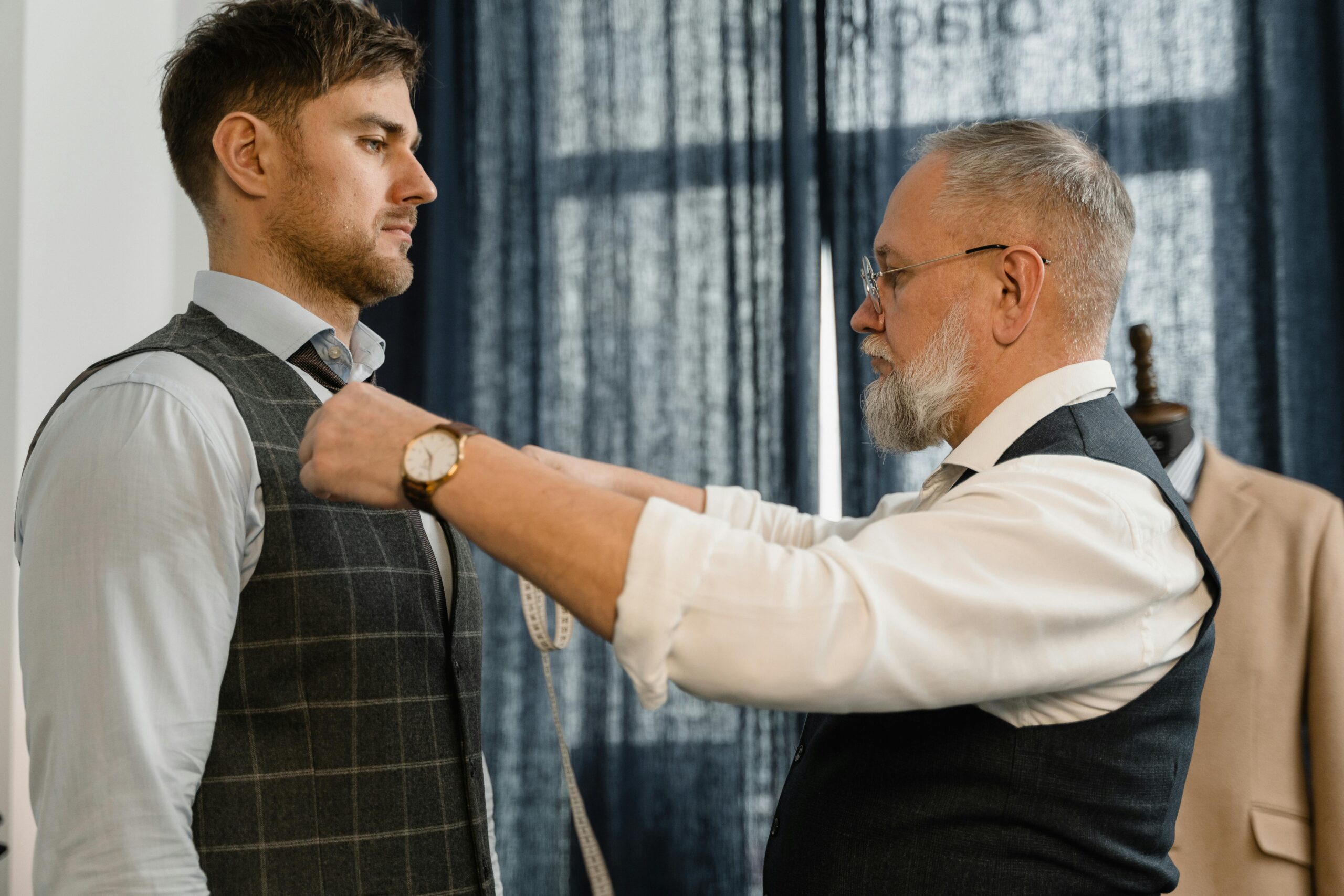
Finding a skilled tailor you trust is like finding a great hairstylist—once you connect with the right person, they become an invaluable partner in maintaining your appearance. A good tailor understands not just how to alter clothes, but how you want to present yourself.
What to Look for in a Professional Tailor
The best tailors listen carefully to what you want while offering expert guidance on what’s actually possible and advisable. They should ask about how you’ll wear the garment, examine your body proportions, and suggest alterations that work with your shape rather than against it.
Start with a small test project before entrusting your tailor with expensive pieces. Bring in a simple alteration like hemming pants or taking in a shirt. This gives you insight into their craftsmanship, turnaround time, pricing, and communication style without risking a valuable garment.
Communicating Your Vision Effectively
Clear communication prevents disappointment and ensures you get the results you want. Wear the garment to your fitting appointment along with appropriate undergarments and shoes. Explain how and where you plan to wear the piece—work versus social events, with flats versus heels, layered versus alone.
Don’t be afraid to ask questions about the process, timeline, and cost before committing. A reputable tailor will explain what they plan to do and set realistic expectations about results. If they recommend against an alteration, listen to their expertise—some modifications are structurally unsound or won’t achieve the look you’re imagining.
Cost-Benefit Analysis: When Tailoring Makes Sense 💰
Tailoring shouldn’t cost more than the garment is worth, as a general rule. However, this principle has nuances worth exploring. Understanding the economics of alterations helps you make smart decisions about which pieces deserve investment and which should be accepted as-is or donated.
Alterations Worth Every Penny
Certain alterations deliver such significant improvements that they justify substantial investment. Tailoring a quality suit or blazer transforms it from acceptable to exceptional, and since these pieces form the foundation of professional wardrobes, the cost-per-wear makes tailoring worthwhile.
Wedding attire, special occasion clothing, and investment pieces from quality brands are other categories where tailoring costs make sense. These garments serve specific important purposes, and perfect fit is essential to their function. A $100 alteration on a $500 dress for a major event is reasonable when you consider the garment’s importance.
Typical Alteration Costs to Expect
| Alteration Type | Average Cost Range | Complexity Level |
|---|---|---|
| Basic pants hem | $15-$25 | Simple |
| Shirt/dress sides taken in | $20-$35 | Simple to Moderate |
| Jacket sleeves shortened | $25-$45 | Moderate |
| Pants waist adjustment | $20-$40 | Moderate |
| Dress/skirt hem with lining | $30-$50 | Moderate |
| Jacket waist suppression | $50-$100 | Complex |
| Formal wear alterations | $75-$200+ | Complex |
These costs vary significantly based on your location, the tailor’s expertise, and the specific garment. Urban areas typically have higher tailoring costs, but also more options for finding specialists in particular alteration types.
Seasonal Wardrobe Transitions and Alterations 🍂
As seasons change, your alteration needs shift as well. Strategic timing of your tailoring projects can streamline your wardrobe transitions and ensure you’re always prepared with properly fitted clothing for current weather conditions.
Preparing for Temperature Changes
Before cold weather arrives, assess your coats, jackets, and layering pieces. Outerwear alterations often take longer and cost more due to their construction complexity, so plan ahead. Sleeve length becomes critical when layering—your coat sleeves should accommodate sweaters without bunching uncomfortably.
Summer preparation means examining lightweight dresses, shorts, and short-sleeved shirts. Consider having winter pieces cleaned and stored properly while pulling out warm-weather clothing that might need attention. This organized approach prevents last-minute rushes when you suddenly need a specific item.
Maximizing Your Existing Wardrobe Value 📈
Before buying new clothing, thoroughly audit what you already own. Many people have perfectly good garments hanging unworn simply because the fit isn’t quite right. A strategic tailoring session can resurrect forgotten pieces and create outfit combinations you hadn’t considered.
The Wardrobe Audit Process
Set aside time to try on everything in your closet with a critical eye. Create three categories: fits perfectly, needs minor alterations, and beyond saving. Be honest about which pieces you actually wear and love versus those you think you should wear or paid too much to discard.
For items in the “needs minor alterations” category, calculate total tailoring costs. If updating five pieces costs $200 but refreshes your entire work wardrobe, that investment makes more sense than buying new items. You already know these pieces suit your style—they just need fit adjustments.
Transformative Alterations That Change Everything
Some alterations deliver dramatic results for relatively modest investment. Converting boot-cut pants to straight leg creates a modern silhouette. Shortening a midi dress to knee length can make it more flattering and versatile. Adding darts to a shapeless dress creates definition and structure.
Don’t overlook the power of hemming to change proportions. Cropping a long jacket creates entirely different styling possibilities. Shortening sleeves to three-quarter length makes a shirt more interesting and season-appropriate for transitional weather.
Sustainable Fashion Through Smart Tailoring 🌱
The environmental impact of fast fashion has prompted many consumers to reconsider their clothing consumption patterns. Tailoring plays a crucial role in sustainable fashion by extending garment lifespans and reducing the need for constant replacement purchases.
Repair and Restore Rather Than Replace
Many garments get discarded not because they’re worn out, but because of minor issues like broken zippers, missing buttons, or small tears. Learning basic repairs or finding a tailor who offers these services keeps clothing in rotation longer and reduces waste.
Quality garments from decades past often have superior construction compared to modern fast fashion. Vintage and secondhand shopping combined with skilled tailoring gives you unique, well-made pieces at affordable prices while supporting sustainable consumption patterns.
Advanced Techniques: Upgrading Your Tailoring Knowledge ✨
Once you’ve mastered basic alterations, more advanced techniques become accessible. These skills allow you to tackle more complex projects and truly customize your wardrobe to reflect your personal style preferences.
Understanding Garment Deconstruction
Sometimes the best way to achieve your desired fit is to partially deconstruct a garment and rebuild it. This advanced approach works particularly well for thrifted or vintage pieces that need significant adjustments. Learning to carefully remove and replace seams opens up possibilities for major transformations.
Pattern modification is another advanced skill that allows you to adjust fit issues systematically. If you consistently have the same fit problems across different garments, understanding how to modify patterns helps you either alter existing clothes more effectively or communicate with tailors about custom solutions.
Your Personal Style Evolution and Fit Preferences 💫
As your understanding of fit improves, your preferences will evolve. You’ll develop opinions about sleeve length, rise, break on pants, and dozens of other details that previously seemed insignificant. This knowledge helps you articulate exactly what you want from your wardrobe.
Document what works for you by taking photos of garments that fit perfectly and noting specific measurements. This personal fit database becomes invaluable when shopping online or working with new tailors. You’ll waste less time on pieces that don’t suit your proportions and make more confident purchasing decisions.
Remember that perfect fit serves your lifestyle and comfort preferences, not arbitrary fashion rules. If you prefer looser silhouettes, tailor for that aesthetic intentionally rather than defaulting to it. If you love precise tailoring, pursue that vision consistently. Your wardrobe should reflect your authentic style, just executed with proper fit.
The journey from accepting ill-fitting off-the-rack clothing to curating a precisely tailored wardrobe is transformative. You’ll discover that clothes you previously dismissed suddenly work beautifully with minor adjustments. Investment pieces justify their cost when tailored to perfection. Even affordable basics become wardrobe staples when they fit your body correctly.
Start small with one or two alterations to build confidence and understand the process. As you see the dramatic difference proper fit makes, you’ll naturally expand your tailoring strategy. Whether you develop DIY skills or build relationships with professional tailors, the effort invested in fit pays dividends in confidence, appearance, and wardrobe satisfaction for years to come.
