Anúncios
What we wear says far more than we realize. Our clothing serves as a silent yet potent declaration of who we are, where we belong, and how much power we hold in society.

👔 The Invisible Uniform: Understanding Power-Coded Dressing
Every morning, millions of people around the world stand before their wardrobes making choices that extend far beyond aesthetics. These decisions are deeply influenced by complex power dynamics embedded in social hierarchies, professional environments, and cultural expectations. The relationship between authority and attire forms an intricate web that governs everything from executive boardrooms to casual street encounters.
Power dressing isn’t merely about expensive suits or designer labels. It encompasses the subtle signals we send through fabric choices, color palettes, fit, and accessories. These visual cues communicate competence, submission, rebellion, or conformity before we utter a single word. Understanding this phenomenon requires examining how authority structures influence our most personal daily decisions.
📊 The Corporate Ladder and Its Dress Code Blueprint
Corporate environments provide perhaps the clearest examples of how power dynamics dictate outfit choices. The traditional business suit emerged as the uniform of authority during the industrial revolution and continues to dominate professional settings worldwide. However, the rules governing workplace attire reveal fascinating patterns about hierarchy and control.
Entry-level employees typically face the strictest dress codes. They must demonstrate compliance and respect for organizational norms through conservative clothing choices. As individuals climb the corporate ladder, they often gain more sartorial freedom. Senior executives can afford to bend rules, arriving in designer sneakers or turtlenecks, because their authority is already established.
The Gender Divide in Professional Attire
Women navigate particularly complex terrain when dressing for authority. They must balance femininity with professionalism, avoiding appearing too attractive while not seeming masculine. This impossible tightrope reflects deeper power imbalances in workplace cultures. Research shows that women who dress more conservatively are perceived as more competent, yet those who incorporate feminine elements appear more likeable—but less authoritative.
Men’s professional wardrobe options remain comparatively limited and standardized. This uniformity actually serves as an equalizer, allowing men to focus on performance rather than appearance. The power suit became synonymous with masculine authority precisely because it removes individual expression in favor of collective professional identity.
🎓 Educational Institutions as Power Dressing Laboratories
Schools and universities function as training grounds where young people first experience systematic dress code enforcement. From elementary school uniforms to high school regulations about skirt lengths and visible shoulders, these rules teach children about authority, compliance, and bodily autonomy.
Uniform policies ostensibly promote equality by eliminating visible class differences. However, they simultaneously strip students of individual expression and reinforce institutional control over personal choices. Private schools often enforce stricter dress codes than public institutions, correlating rigid sartorial expectations with socioeconomic privilege and traditional power structures.
University environments typically relax these restrictions, yet informal hierarchies emerge. Graduate students adopt quasi-professional attire to signal seriousness, while tenured professors exercise their earned freedom through casual or eccentric clothing choices. The correlation between academic rank and sartorial liberty mirrors corporate environments.
💼 Status Symbols and Conspicuous Consumption
Luxury fashion brands thrive on their ability to communicate wealth and status through immediately recognizable logos and designs. A Hermès Birkin bag or Rolex watch serves as a portable declaration of economic power. These items function as modern-day equivalents of medieval crowns and royal robes—visual shorthand for social position.
The psychology behind status dressing reveals our deep-seated need for social recognition and belonging. Wearing prestigious brands grants access to exclusive spaces and social circles. It signals to others that you possess the resources, taste, and cultural capital to navigate elite environments.
The Rise of Stealth Wealth Fashion
Interestingly, the truly wealthy increasingly embrace “quiet luxury”—expensive clothing without obvious branding. This shift represents a more sophisticated form of power dressing where knowledge and refinement replace conspicuous logos. Those who understand can identify the $800 plain t-shirt, while others remain oblivious. This exclusivity becomes its own form of status signaling.
🌍 Cultural Context and Power Attire Across Societies
Power dressing manifests differently across cultures, yet universal patterns emerge. Traditional garments often denote social position, with specific colors, fabrics, and embellishments reserved for those of certain ranks or accomplishments.
In many Asian cultures, business attire blends Western suit conventions with local variations. Japanese salarymen wear nearly identical dark suits, emphasizing collective harmony over individual distinction. Meanwhile, Indian professionals might incorporate traditional elements like kurtas while maintaining overall Western business aesthetics.
Middle Eastern dress codes reflect complex intersections of religious tradition, gender politics, and modernization. The thobe and ghutra worn by Gulf businessmen communicate regional identity and religious observance while functioning within international business contexts. Women’s dress in these societies becomes particularly charged territory where personal choice, family expectations, religious interpretation, and state power collide.
⚖️ Resistance Through Fashion: Subverting Power Structures
Throughout history, marginalized groups have used clothing to challenge authority and assert alternative identities. Punk fashion emerged as deliberate rejection of mainstream consumer culture and class structures. Ripped clothing, safety pins, and aggressive styling communicated rejection of conventional success markers.
The LGBTQ+ community has long employed fashion as resistance and recognition. From the coded signals of pre-liberation era to contemporary gender-fluid fashion, clothing choices challenge heteronormative power structures. Drag performance specifically uses exaggerated gendered attire to question and mock traditional gender hierarchies.
Black fashion movements from zoot suits to contemporary streetwear represent ongoing negotiations with power structures that have historically criminalized Black bodies and self-expression. When wearing a hoodie becomes politicized, clothing transcends mere aesthetics to become a civil rights battleground.
📱 Social Media and the Democratization of Style Authority
Digital platforms have disrupted traditional fashion gatekeepers, allowing influencers to build authority based on follower counts rather than industry credentials. This shift represents both democratization and the emergence of new power hierarchies.
Instagram influencers wield considerable power over consumer behavior and trend cycles. Their outfit choices reach millions instantly, creating new pathways to fashion authority that bypass traditional media and retail structures. However, this apparent democratization often reinforces existing beauty standards and consumption patterns.
The pressure to document outfits daily for social validation has intensified the relationship between clothing and identity performance. Individuals curate personal brands through carefully photographed ensembles, with likes and followers quantifying social capital and influence.
🏢 Remote Work Revolution and Shifting Power Dress Codes
The mass shift to remote work during recent years fundamentally altered professional dress expectations. The “business on top, pajamas on bottom” phenomenon of video calls revealed the performative nature of professional attire. When physical presence diminished, so did many dress code enforcement mechanisms.
This transition raises questions about whether formal dress codes were ever truly necessary for productivity or merely tools of organizational control. Companies struggling to mandate returns to office simultaneously attempt to reimpose traditional dress expectations, revealing how clothing serves as a mechanism for institutional authority.
The hybrid work environment creates new ambiguities. Employees navigate different standards for office days versus home days, physical meetings versus video calls. This flexibility potentially democratizes workplace culture, though it may also create new hierarchies between those working remotely and those physically present.
🎨 The Psychology Behind Authority Dressing
Research in “enclothed cognition” demonstrates that what we wear affects our psychological state and performance. Wearing formal business attire increases abstract thinking and gives people a broader perspective. Medical students wearing white coats show increased attention and carefulness. These findings suggest that power dressing isn’t mere theater—it actually influences our capabilities.
The confidence boost from dressing well creates a feedback loop. When we feel powerful, we act more authoritatively, leading others to treat us with greater respect, which reinforces our self-perception. This cycle explains why investment in quality professional attire often yields tangible career benefits beyond superficial appearances.
Color Psychology and Authority Signals
Color choices carry significant psychological weight in authority dressing. Navy blue and charcoal gray dominate business environments because they communicate competence, reliability, and seriousness. Black suggests formality and power, explaining its prevalence among executives and luxury fashion.
Red creates interesting dynamics—it signals confidence and power but can appear aggressive in certain contexts. Women wearing red are perceived as more attractive but sometimes less professionally credible, demonstrating how gender influences color interpretation within power structures.
🔮 Future Trajectories: Where Power Dressing Is Headed
Generational shifts suggest evolving relationships between authority and attire. Younger workers increasingly prioritize authenticity and personal expression over traditional professionalism markers. They question whether formal dress codes serve legitimate purposes or merely perpetuate outdated hierarchies.
Sustainability concerns are reshaping luxury fashion and status signaling. As environmental consciousness grows, conspicuous consumption faces ethical scrutiny. New forms of status may emerge around sustainable practices, vintage collecting, or rental services rather than ownership and disposability.
Technology integration into clothing—smart fabrics, wearable devices, adaptive materials—will create new dimensions of power dressing. Those with access to cutting-edge wearable technology may signal authority through innovation rather than traditional luxury markers.
🌟 Navigating Personal Agency Within Power Structures
Understanding how power dynamics shape outfit choices empowers more intentional decision-making. Rather than unconsciously conforming to or rebelling against dress expectations, individuals can strategically navigate these systems to achieve personal and professional goals.
This requires assessing specific contexts. A job interview demands different strategic choices than a creative industry networking event. Understanding your audience and their expectations allows you to communicate desired messages through clothing while maintaining authentic self-expression.
The key lies in recognizing that all clothing choices communicate something about power relationships. Complete freedom from these dynamics is impossible in social contexts. However, awareness transforms passive compliance into active participation, allowing individuals to make choices aligned with their values and objectives.
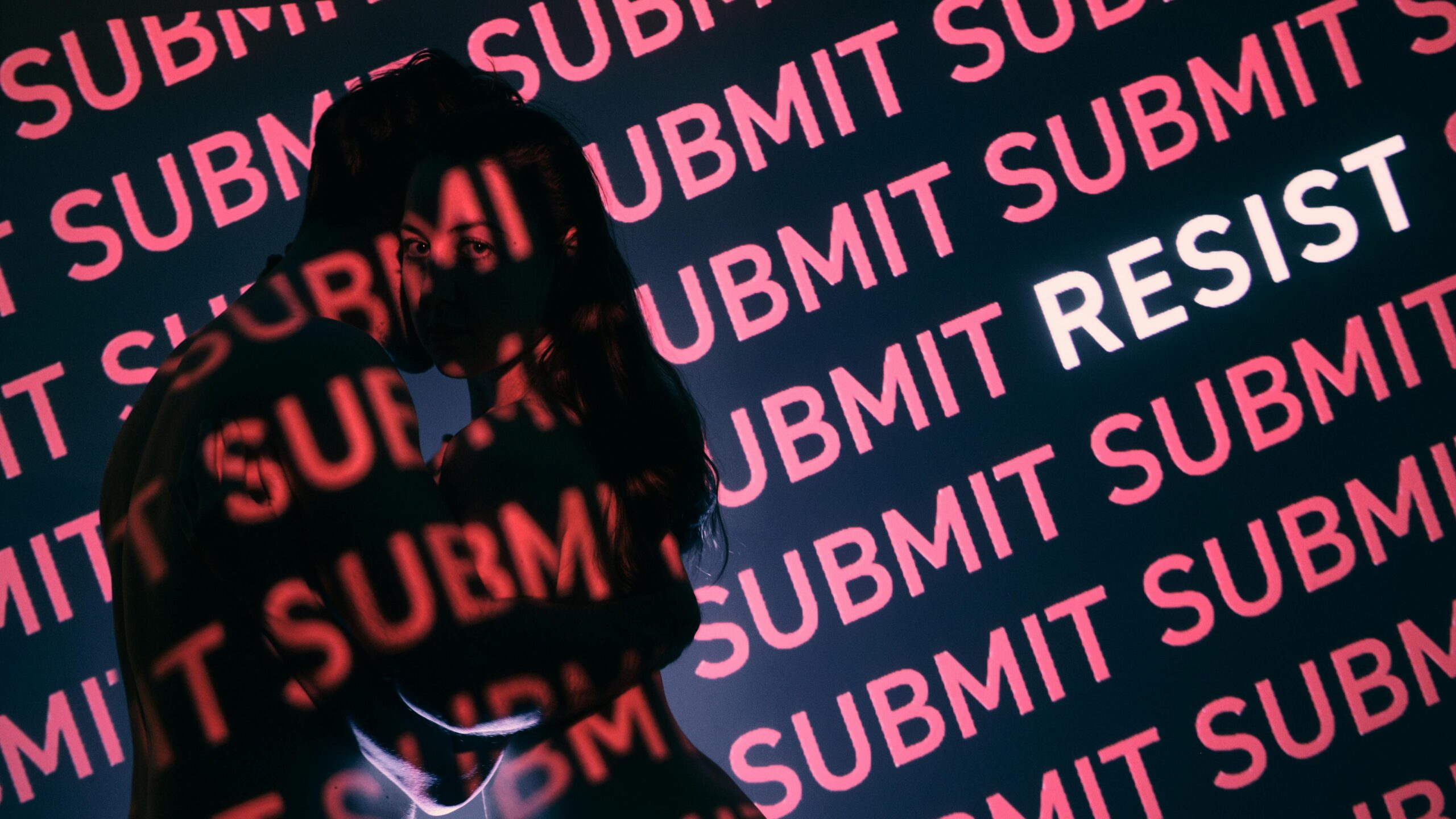
👗 Reclaiming the Narrative of What We Wear
Our relationship with clothing operates at the intersection of personal identity, social expectations, and power structures. Every outfit represents negotiations between individual preference and external pressures, between self-expression and social legibility, between comfort and strategic positioning.
By recognizing how authority shapes these daily choices, we gain tools to either work within existing systems or challenge them intentionally. Fashion becomes less about vanity and more about understanding the visual language through which societies communicate and enforce hierarchies.
Whether conforming to corporate dress codes, challenging gender norms through clothing, or simply choosing comfort over convention, our outfit decisions reflect and influence the power dynamics that structure our social world. Becoming conscious participants in this process allows us to dress not just our bodies, but our relationship with authority itself. The question isn’t whether our clothes communicate power—it’s whether we’re sending the messages we intend.
