
Anúncios
Finding the sweet spot between keeping guests engaged and ensuring their comfort is the ultimate challenge every event planner faces when designing memorable experiences.

⏰ Why Event Duration Makes or Breaks Guest Experience
The length of your event isn’t just a logistical detail—it’s a fundamental component that shapes how attendees perceive, enjoy, and remember the entire experience. Too short, and guests feel rushed or shortchanged. Too long, and you risk fatigue, disengagement, and that dreaded clock-watching behavior that signals your carefully planned occasion has overstayed its welcome.
Research in event psychology consistently demonstrates that human attention and comfort operate within specific timeframes. Our bodies have natural rhythms, our minds have attention limits, and our social batteries deplete at predictable rates. Successful event planners understand these human factors and design their timelines accordingly, creating experiences that feel perfectly paced rather than arbitrarily timed.
The modern event landscape has become increasingly sophisticated, with attendees expecting not just entertainment or information, but holistically designed experiences that respect their time while delivering maximum value. This shift has transformed event duration from a simple scheduling question into a strategic art form.
🎯 Understanding Your Audience’s Temporal Tolerance
Different audiences have vastly different expectations and endurance levels when it comes to event length. Corporate executives accustomed to back-to-back meetings may prefer concise, high-impact sessions. Wedding guests, conversely, typically anticipate and enjoy extended celebrations that unfold over several hours.
Age demographics play a crucial role in duration planning. Young children have notoriously short attention spans—typically maxing out around 45-60 minutes for structured activities. Teenagers and young adults often possess greater stamina for longer events, especially when social interaction and entertainment are involved. Senior attendees may appreciate shorter, more focused events that don’t require prolonged standing or late-night participation.
Cultural context cannot be overlooked. Some cultures embrace lengthy, multi-course meals and extended social gatherings as expressions of hospitality and celebration. Others value efficiency and brevity, viewing unnecessarily long events as inconsiderate of participants’ time. Understanding these cultural nuances prevents unintentional disrespect and ensures your timing aligns with audience expectations.
The Psychology Behind Attention Spans
Neuroscience reveals that human attention operates in cycles. The average adult can maintain focused attention for approximately 20 minutes before mental fatigue sets in. This doesn’t mean events should only last 20 minutes, but rather that smart planners build variety and transitions into longer experiences to reset attention and maintain engagement.
The concept of “psychological time” differs from clock time. When people are thoroughly engaged and enjoying themselves, time seems to pass quickly. Conversely, boredom or discomfort makes minutes feel like hours. Your goal isn’t necessarily to make events shorter, but to make them feel appropriately paced through strategic programming and comfort considerations.
📊 The Science of Optimal Event Length by Type
While every event is unique, decades of event data and attendee feedback have established general guidelines for different event categories. These benchmarks provide useful starting points for your planning process.
| Event Type | Optimal Duration | Key Considerations |
|---|---|---|
| Networking Events | 1.5 – 2 hours | Peak networking occurs in first 90 minutes |
| Business Presentations | 45 – 60 minutes | Include Q&A within timeframe |
| Workshops/Training | 2 – 4 hours | Must include breaks every 60-90 minutes |
| Weddings (Reception) | 4 – 5 hours | Varied programming sustains interest |
| Conferences (Single Day) | 6 – 8 hours | Multiple sessions with substantial breaks |
| Charity Galas | 3 – 4 hours | Balance entertainment with fundraising |
| Product Launches | 1 – 2 hours | High energy, focused messaging |
These durations represent general frameworks rather than rigid rules. Context, audience, and objectives should always guide your final decisions. A tech conference targeting enthusiastic industry professionals might successfully extend beyond standard timeframes, while a mandatory corporate training session should probably err on the shorter side.
🛋️ Comfort as a Duration Multiplier
Here’s a counterintuitive truth: you can extend event duration without increasing fatigue by strategically enhancing comfort. Physical and psychological comfort directly impacts how long people can enjoyably participate in your event.
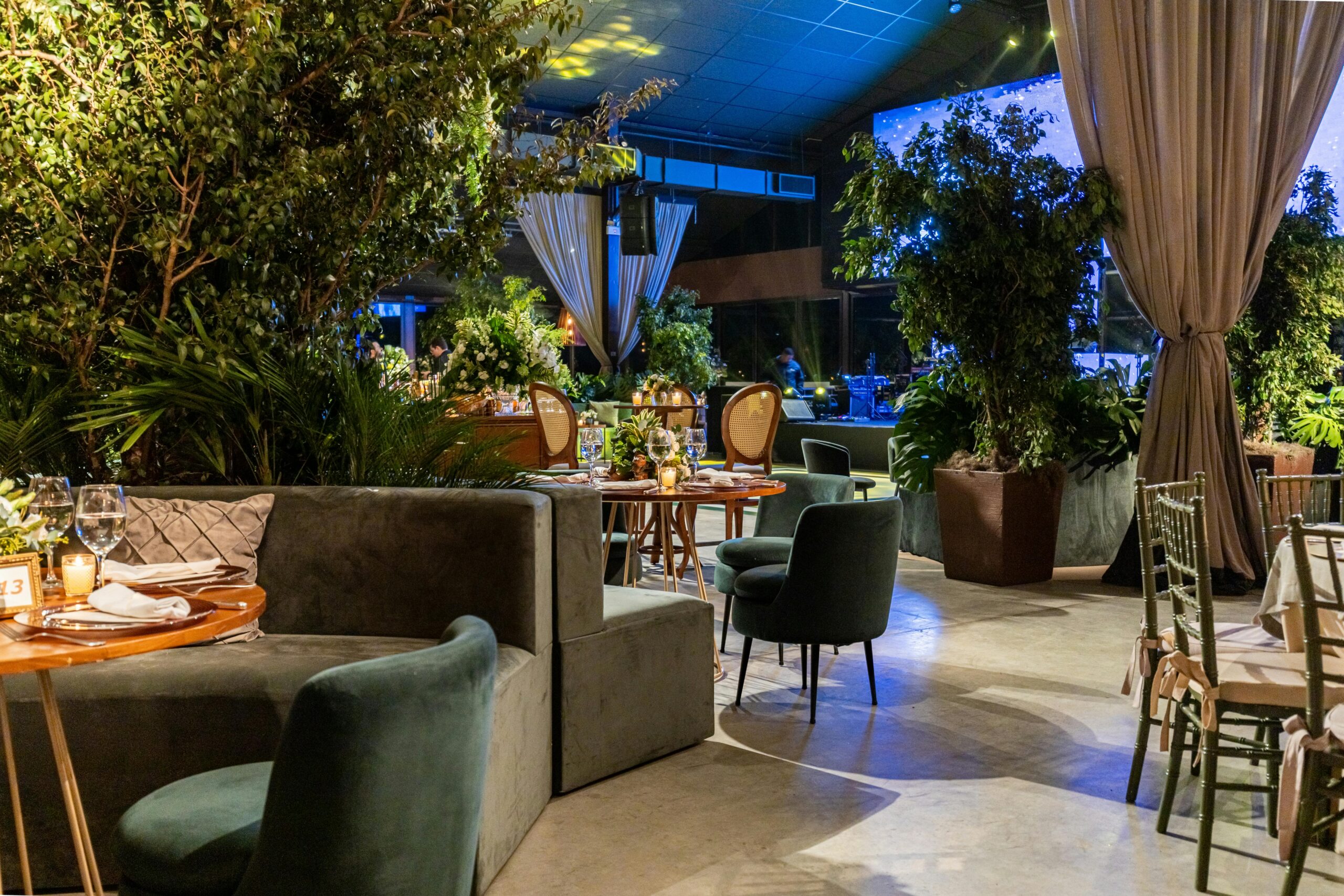
Physical comfort considerations include seating quality, room temperature, lighting, acoustics, and space configuration. Hard chairs in a stuffy room will drive people away after an hour. Comfortable seating with proper climate control can extend tolerance significantly. For standing events, providing periodic seating areas or shorter overall duration becomes essential.
Psychological comfort involves reducing anxiety and uncertainty. Clear scheduling with communicated start and end times helps attendees mentally prepare for the commitment. When people know an event ends at 8 PM, they can pace themselves accordingly. Ambiguous endings create stress that diminishes enjoyment regardless of actual duration.
Strategic Break Placement
Breaks aren’t just courtesies—they’re essential tools for extending effective event duration. A four-hour workshop without breaks feels interminable. The same workshop with two well-placed 15-minute breaks becomes manageable and even enjoyable.
The ideal break frequency depends on event intensity and format. High-energy, participatory events require more frequent breaks than passive experiences. As a general principle, plan breaks every 60-90 minutes for intensive sessions, and every 90-120 minutes for more relaxed formats.
Break duration matters too. Fifteen minutes allows for restroom visits and quick refreshment. Thirty minutes enables networking and mental reset. Hour-long breaks risk losing momentum and making it difficult to reconvene attendees. Match break length to your event’s energy level and objectives.
🎭 Programming Variety Extends Engagement
One of the most effective strategies for maintaining engagement across longer events is programming variety. The human brain craves novelty and responds positively to changes in format, speaker, activity type, and even physical positioning.
Consider a four-hour conference session. Delivered as a single lecture, it would be torturous. But structured as four different 45-minute segments featuring various speakers, interactive elements, video content, and perhaps a panel discussion, those same four hours become dynamic and engaging.
Vary the energy levels throughout your event. Alternate between high-energy activities and calmer moments. Follow an intense brainstorming session with quiet reflection time. After an emotional speaker, provide lighter entertainment or social interaction. This rhythmic variation creates a natural flow that carries attendees through longer durations without fatigue.
The Power of Interactive Elements
Passive observation exhausts mental resources faster than active participation. Interactive elements—whether Q&A sessions, hands-on activities, group discussions, or gamification—engage different cognitive processes and extend attention capacity.
Technology has expanded interactive possibilities tremendously. Live polling, digital Q&A platforms, social media integration, and mobile event apps transform attendees from spectators into participants. This engagement shift can add 30-50% to comfortable event duration compared to purely passive formats.
⚡ The Front-Loading Strategy
Energy and attention typically peak at the beginning of events, then gradually decline. Smart planners leverage this pattern through front-loading—placing your most important content, announcements, or experiences in the first third of your event.
For a three-hour gala, deliver key speeches and fundraising appeals in the first 90 minutes when attention is sharpest. Save more relaxed networking and entertainment for later when energy naturally wanes but social comfort increases. This approach ensures critical messages reach audiences at optimal receptivity while allowing the latter portion to serve as a comfortable wind-down.
The opposite approach—saving important content for the end—risks losing impact as attendees mentally check out or physically depart. While a closing keynote can work, it requires exceptional skill to recapture attention that has been gradually declining for hours.
🌟 Creating Memorable Peaks and Endings
According to the peak-end rule from behavioral psychology, people judge experiences largely based on their most intense moment and their conclusion. This principle has profound implications for event duration planning.
Rather than maintaining consistent energy throughout, design one or two standout peak moments—extraordinary performances, surprise announcements, emotional stories, or spectacular visual experiences. These peaks become the memorable highlights that define the entire event, regardless of duration.
Equally important is the ending. A strong conclusion provides closure and leaves attendees with positive final impressions. Many events fail by simply petering out or running overtime past scheduled conclusions. Instead, plan definitive endings that feel satisfying and complete—perhaps a closing ceremony, final toast, group activity, or memorable send-off.
Knowing When to End on a High Note
The most successful entertainers understand the value of leaving audiences wanting more rather than overstaying their welcome. This principle applies equally to events. When energy and engagement are still reasonably high, concluding creates positive memories and anticipation for future events.
Monitor your audience for signs that duration has reached its limit: increased phone checking, side conversations, restroom trips, early departures, or visible fatigue. These signals indicate it’s time to wrap up, regardless of what your original timeline indicated. Flexibility and audience awareness trump rigid adherence to planned duration.
🍽️ Sustenance and Biological Necessities
Any event extending beyond two hours must address basic biological needs. Hunger, thirst, and restroom access aren’t minor details—they’re fundamental comfort factors that directly impact how long people can comfortably attend.
For events spanning meal times, provide appropriate food. This doesn’t necessarily require full catering; even light refreshments acknowledge attendee needs and prevent the distraction and discomfort of hunger. Hydration stations should be readily accessible throughout longer events, not just during designated breaks.
Restroom capacity and location deserve consideration, especially for larger events. Long restroom lines create frustration and eat into break times, making the overall event feel longer and more exhausting. Ensure adequate facilities and communicate their locations clearly.
🔄 Post-Event Analysis for Duration Optimization
Each event provides valuable data for refining future duration decisions. Implement systematic feedback collection focusing specifically on timing and pacing. Ask attendees whether the event felt too long, too short, or appropriately timed. Inquire about which segments dragged and which felt rushed.
Attendance patterns reveal duration effectiveness. If significant portions of your audience depart before the scheduled conclusion, your event is probably too long or poorly paced. If attendees linger well after the official ending, you might have room to extend duration or add content.
Track engagement metrics throughout the event when possible. Social media activity, app interactions, session attendance, and observable energy levels provide real-time feedback about whether your duration and pacing are working.
💡 Flexibility: The Ultimate Duration Tool
Even the most carefully planned event timeline should include flexibility. External factors—weather, technical issues, speaker performance, audience energy—can necessitate adjustments. Build buffer time into your schedule and empower yourself or your team to make real-time modifications.
Modular programming enables easier adjustments. Design some segments that can be condensed, extended, or eliminated based on how the event unfolds. Having optional activities or content in reserve allows you to extend if energy remains high or gracefully conclude early if needed.
Communicate any significant timing changes clearly to attendees. Uncertainty creates anxiety, while transparent communication—even about changes—maintains trust and comfort.
🎨 Crafting Your Signature Event Rhythm
Mastering event duration isn’t about following formulas—it’s about developing sensitivity to the unique rhythm your specific audience, content, and objectives require. The perfect duration for your event emerges from understanding human psychology, respecting biological realities, and carefully balancing engagement with comfort.
Start with established benchmarks, but remain willing to deviate based on your specific context. Test different durations across multiple events, gathering feedback and refining your approach. Over time, you’ll develop an intuitive sense for the sweet spot where time seems to disappear because attendees are thoroughly engaged, comfortably accommodated, and genuinely enjoying the experience you’ve created.
The most unforgettable events aren’t necessarily the longest or shortest—they’re the ones that feel exactly right, where every minute serves a purpose and contributes to an experience that attendees will remember long after the clock stops ticking. That’s the art of duration mastery: making time itself become invisible while the experience becomes unforgettable.
