
Anúncios
Footwear tells stories that words alone cannot capture, shaping how we see ourselves and how others perceive us in profound ways.

From the earliest civilizations to today’s sneaker culture, shoes have transcended their practical purpose of protecting our feet. They’ve become powerful symbols of status, rebellion, tradition, and personal expression. Whether it’s a pair of worn work boots, pristine designer heels, or limited-edition sneakers, what we wear on our feet communicates volumes about our identity, values, and the communities we belong to.
Understanding the relationship between footwear and identity reveals fascinating insights into human culture, social dynamics, and the ways we create meaning in our daily lives. Let’s explore how something as seemingly simple as shoes connects us to history, community, and our truest selves.
👟 The Historical Footprint: Shoes as Cultural Markers
Throughout history, footwear has served as an immediate identifier of social class, occupation, and cultural affiliation. Ancient Egyptian sandals distinguished nobility from commoners, with pharaohs wearing gold-adorned footwear while servants went barefoot. In feudal Japan, different shoe styles indicated one’s rank in society, with wooden geta sandals varying in height and decoration based on social status.
Medieval Europe saw pointed shoes called poulaines become fashion statements among the wealthy, with toe lengths sometimes reaching absurd proportions to demonstrate that the wearer didn’t need to perform manual labor. Chinese foot-binding practices, though now recognized as harmful, persisted for centuries partly because tiny feet in ornate shoes signified high social standing.
These historical examples demonstrate that footwear has always been more than functional—it’s been a visual language communicating who we are within our social structures. This tradition continues today, though the symbols and meanings have evolved dramatically.
Identity Crafted From the Ground Up
Modern footwear choices remain deeply connected to identity formation and expression. The shoes we select each morning aren’t random decisions; they’re carefully curated extensions of how we want to present ourselves to the world.
Consider how different shoe choices project different personas: athletic sneakers suggest an active, health-conscious lifestyle; polished oxfords convey professionalism and attention to detail; combat boots might signal non-conformity or toughness; while barefoot or minimalist shoes often indicate environmental consciousness or wellness priorities.
Research in psychology suggests that people make accurate personality judgments based solely on looking at someone’s shoes. A 2012 study found that observers could correctly gauge a stranger’s age, gender, income, and even attachment anxiety just from photographs of their footwear. This demonstrates the powerful non-verbal communication happening at foot level.
The Personal Narrative in Every Step
Our shoe collections often tell autobiographical stories. That pair of hiking boots recalls mountain adventures; wedding shoes preserve memories of significant life moments; childhood shoes saved by parents represent growth and nostalgia. Each pair carries emotional weight beyond its material composition.
Many people describe feeling transformed when they put on certain shoes—more confident in heels, more authentic in sneakers, more grounded in boots. This phenomenon isn’t purely psychological; it’s rooted in embodied cognition, where physical sensations influence our mental states and behaviors.
🌍 Cultural Identity Stitched Into Soles
Footwear serves as a powerful connector to cultural heritage and community belonging. Traditional shoes often carry centuries of cultural knowledge, craftsmanship techniques, and symbolic meaning that connects wearers to their ancestral roots.
Native American moccasins, African beaded sandals, Dutch wooden clogs, Mexican huaraches, Indian mojaris—these aren’t just shoes but cultural artifacts that preserve traditions and communicate ethnic identity. Wearing traditional footwear, especially during cultural celebrations or ceremonies, becomes an act of cultural preservation and pride.
Immigrant communities often maintain connections to their heritage through footwear choices, whether wearing traditional styles for special occasions or incorporating cultural elements into everyday shoes. This creates a visible link between past and present, homeland and new home.
Regional Footwear Dialects
Just as languages have regional dialects, footwear preferences vary dramatically by geography and climate, creating distinct regional identities. Flip-flops dominate coastal communities, cowboy boots signify Western American culture, and rain boots are essential in Pacific Northwest wardrobes.
These regional preferences become part of local identity, with residents often having strong opinions about what constitutes appropriate footwear. Wearing “wrong” shoes for a region can immediately mark someone as an outsider, while adopting local footwear helps newcomers integrate into their communities.
Subcultures and Shoe Tribes
Perhaps nowhere is the identity-forming power of footwear more visible than in subcultures, where specific shoe styles become essential membership markers. Punk rockers wear Doc Martens, skateboarders prefer Vans, hip-hop culture elevates Air Jordans to iconic status, and preppy culture revolves around boat shoes and loafers.
These associations aren’t accidental—they emerge from authentic connections between footwear functionality and subculture activities, then become reinforced through repetition and community adoption. Wearing the “right” shoes signals insider knowledge and genuine belonging, while wearing imitations or inappropriate styles can lead to rejection or ridicule.
Sneaker Culture: Community Through Collecting 🔥
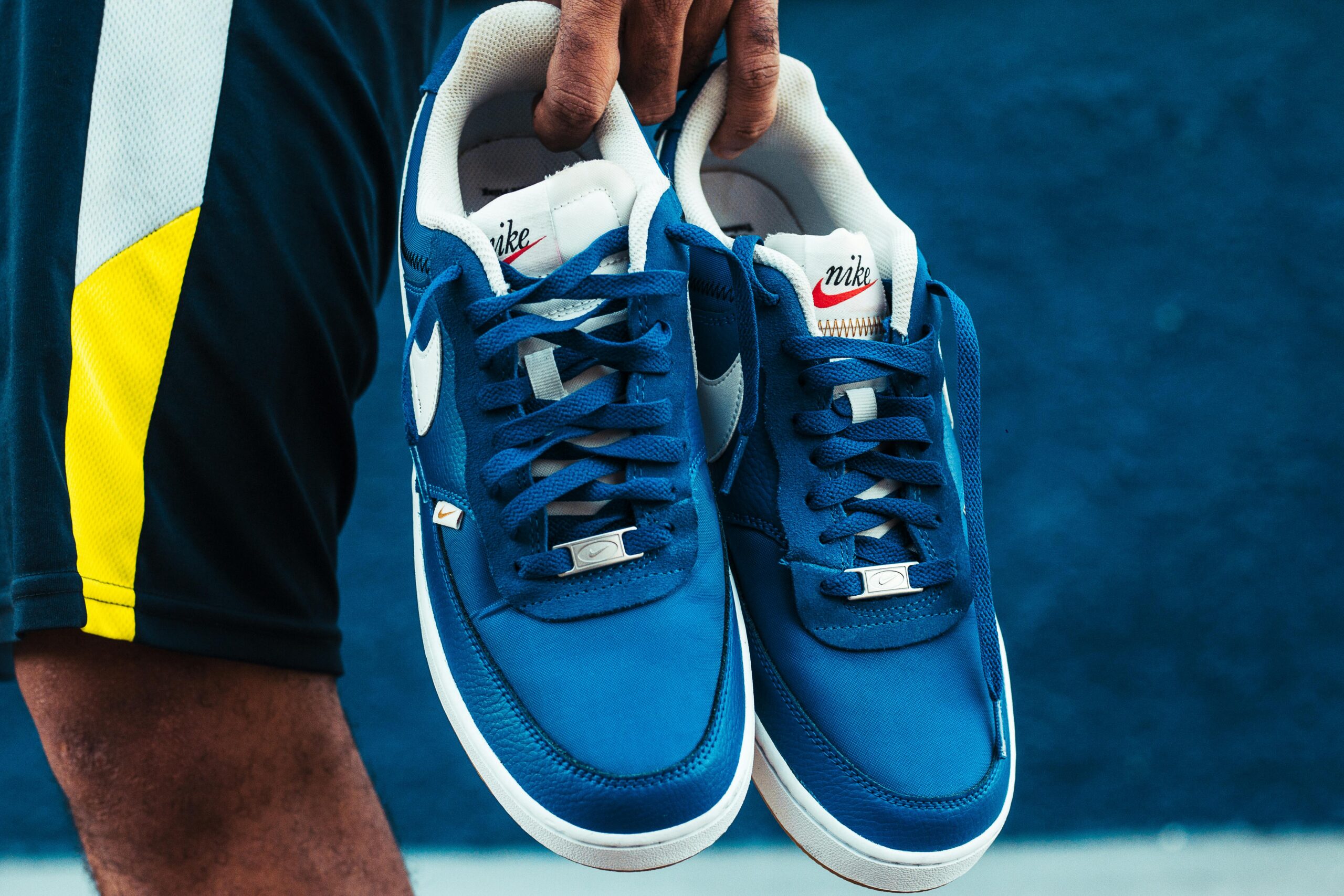
Modern sneaker culture exemplifies how footwear creates community and connection. Sneakerheads form a global tribe united by passion for athletic shoes, particularly limited editions and collaborations. This community has its own language, values, gathering spaces, and hierarchies.
Sneaker conventions, online forums, and social media groups connect enthusiasts worldwide, creating friendships based on shared appreciation for design, craftsmanship, and cultural significance. The hunt for rare releases, trading stories about “grails” (most desired shoes), and debating the merits of different models creates strong bonds between community members.
This community transcends traditional boundaries of race, class, and geography, proving that footwear can unite diverse individuals around common interests and values. The sneaker resale market, now worth billions, demonstrates the economic power of these community connections.
Professional Identity From Toe to Heel
Occupational footwear powerfully shapes professional identity and workplace culture. Many professions have specific shoe requirements or strong conventions that become part of professional socialization.
Healthcare workers in comfortable clogs, construction workers in steel-toed boots, dancers in specialized shoes, chefs in non-slip kitchen shoes—these aren’t just safety requirements but identity markers that signal “I belong to this profession.” Putting on work shoes often mentally prepares people for their professional roles, creating psychological boundaries between work and personal life.
In corporate environments, shoe choices communicate career ambition and cultural fit. The unwritten rules about appropriate business footwear vary by industry, company culture, and position level, requiring newcomers to carefully observe and adapt their choices to succeed.
Gender, Power, and Heels
Few footwear items carry more complex symbolism than high heels. Historically worn by men (including Persian cavalry, French aristocracy, and cowboy boots), heels became associated with femininity and eventually became tools of both empowerment and constraint for women.
The relationship between heels and female identity remains complicated. Some women describe feeling more powerful, confident, and professionally capable in heels. Others view heel expectations as patriarchal requirements that prioritize appearance over comfort and perpetuate gender inequality.
Recent movements challenging workplace heel requirements and the rise of fashionable flat alternatives reflect evolving attitudes about gender, professionalism, and bodily autonomy. These shifts demonstrate how footwear choices can become sites of resistance and social change.
💚 Sustainability and Conscious Identity
Increasingly, footwear choices reflect environmental and ethical values as part of personal identity. Consumers concerned about climate change, labor practices, and animal welfare scrutinize shoe materials, manufacturing processes, and company practices before purchasing.
Brands using recycled materials, sustainable production methods, and fair labor practices attract consumers wanting their purchases to align with their values. Wearing such shoes becomes a visible statement of environmental consciousness and social responsibility.
The minimalist shoe movement, emphasizing barefoot-style footwear and reduced consumption, attracts people identifying with simplicity, natural living, and questioning mainstream consumer culture. These choices create community among like-minded individuals and communicate values to others.
Technology Bridging Steps and Identity
Smart footwear incorporating sensors, connectivity, and adaptive features represents the future intersection of shoes and identity. Nike’s self-lacing sneakers, fitness tracking shoes, and app-connected footwear create new relationships between wearers and their shoes.
These technologies transform shoes from passive objects into active partners in health, performance, and self-quantification. For tech-savvy consumers, wearing smart shoes becomes part of their identity as early adopters and innovation enthusiasts.
Virtual and augmented reality applications now allow people to “try on” shoes digitally, customize designs, and share their footwear in digital spaces, extending shoe-based identity expression into virtual realms where physical limitations don’t apply.
Creating Connection Through Shared Soles
Beyond individual identity, footwear creates meaningful connections between people. Complimenting someone’s shoes often opens conversations between strangers. Recognizing another person wearing the same rare sneakers creates instant camaraderie. Shoe-shopping with friends or family becomes bonding time that strengthens relationships.
Charitable initiatives like shoe donations, running events supporting causes, and companies donating pairs for every purchase bought create connections between consumers and distant communities. These programs give shoes additional meaning beyond personal use, transforming them into vehicles for compassion and social impact.
Family Traditions Passed Down Step by Step
Footwear often carries family significance across generations. Parents saving baby’s first shoes, passing down special occasion footwear, or teaching children traditional shoe-tying methods creates continuity and connection across time.
Inheriting a family member’s shoes—whether work boots from a parent, vintage heels from a grandparent, or military boots from a veteran—creates tangible connections to family history and loved ones. These shoes become treasured objects carrying memories and relationships within their worn leather and faded fabrics.
The Sole Truth About Walking Your Path
Ultimately, footwear’s power to shape identity, culture, and connection stems from its unique position in our lives—intimate and public, functional and symbolic, individual and communal. Shoes literally support us as we move through the world, making them perfect metaphors for how we navigate life’s journey.
The shoes we choose, how we wear them, and what we do in them all contribute to crafting our identities and finding our tribes. Whether conforming to or rebelling against footwear norms, we’re constantly communicating through our choices and responding to others’ shoe-based messages.
In a rapidly changing world where traditional identity markers sometimes feel uncertain, footwear offers grounding—literally and figuratively. It connects us to history while pointing toward the future, roots us in communities while expressing individuality, and provides stability as we step forward into whatever comes next.
The next time you select shoes from your closet, consider the complex meanings woven into that simple choice. You’re not just protecting your feet; you’re announcing who you are, where you belong, and what you value. Every step becomes an opportunity to express yourself, connect with others, and walk purposefully through the world in shoes that reflect your authentic self. 👣
