
Anúncios
Choosing the right fabric can transform your entire wardrobe, elevating your style from ordinary to extraordinary while ensuring comfort throughout your day.

The art of fabric selection is much more than simply picking materials that look appealing. It’s about understanding how different textiles interact with your body, the climate you live in, and the occasions you dress for. Whether you’re building a capsule wardrobe or simply trying to make smarter purchasing decisions, mastering fabric choice is an essential skill that pays dividends in both style and practicality.
In today’s fast-paced world, where we transition from office meetings to social gatherings, from casual brunches to formal dinners, having clothing made from the right fabrics ensures you always look and feel your best. This comprehensive guide will walk you through everything you need to know about fabric selection, helping you make informed decisions that enhance your personal style while considering comfort, durability, and versatility.
🧵 Understanding Fabric Fundamentals: The Foundation of Smart Choices
Before diving into specific fabric types, it’s crucial to understand what makes a fabric suitable for different purposes. Fabrics are generally categorized into three main groups: natural fibers, synthetic fibers, and blends. Each category offers distinct advantages and challenges that directly impact how garments perform in various situations.
Natural fibers like cotton, linen, wool, and silk come from plant or animal sources. These materials typically offer superior breathability and comfort, making them excellent choices for garments worn close to the skin. They also tend to be more environmentally friendly, though this depends on farming and production practices.
Synthetic fibers, including polyester, nylon, and acrylic, are manufactured through chemical processes. While they sometimes get a bad reputation, modern synthetic fabrics can offer remarkable performance characteristics like moisture-wicking, wrinkle resistance, and durability. They’re often more affordable and easier to care for than natural fibers.
Blended fabrics combine natural and synthetic fibers to leverage the best properties of both. A cotton-polyester blend, for example, offers cotton’s breathability with polyester’s wrinkle resistance and shape retention.
🌡️ Climate Considerations: Dressing for Your Environment
Your local climate should be one of the primary factors influencing your fabric choices. Understanding which materials work best in different weather conditions ensures year-round comfort and appropriate style.
Hot and Humid Weather Fabrics
In warm climates, breathability is paramount. Cotton remains the gold standard for hot weather, as its natural fibers allow air circulation and absorb moisture effectively. Linen surpasses even cotton in breathability, making it ideal for summer wear, though it wrinkles easily. Chambray, a lightweight cotton fabric similar to denim, offers casual sophistication while keeping you cool.
Bamboo fabric has gained popularity as an eco-friendly option that’s naturally breathable and moisture-wicking. Lightweight silk, particularly silk charmeuse or chiffon, provides elegance without sacrificing comfort in warmer temperatures.
Cold Weather Textile Selections
Winter wardrobes require fabrics that provide insulation while allowing some breathability to prevent overheating indoors. Wool is nature’s perfect cold-weather fiber, trapping heat while managing moisture. Merino wool specifically offers luxurious softness without the itchiness associated with traditional wool.
Cashmere provides unparalleled warmth and softness, though at a premium price point. Fleece, a synthetic alternative, offers excellent insulation and quick-drying properties at a fraction of the cost. Tweed, flannel, and corduroy add texture and warmth to autumn and winter outfits.
Transitional Season Strategies
Spring and fall require versatile fabrics that can adapt to fluctuating temperatures. Medium-weight cotton, denim, jersey knits, and light wool work beautifully during these transitional periods. Layering different fabric weights allows you to adjust throughout the day as temperatures change.
👔 Occasion-Appropriate Fabric Selection
The context in which you’ll wear a garment significantly influences which fabric is most appropriate. Different settings call for different textile characteristics, from formality to performance features.
Professional and Business Settings
Office environments typically require fabrics that project polish and professionalism while maintaining comfort during long workdays. Wool suiting, particularly in tropical weights for summer, remains the standard for formal business attire. It holds its shape beautifully and resists wrinkles better than many alternatives.
Cotton poplin and broadcloth create crisp dress shirts that look sharp throughout the day. For business casual environments, cotton twill, gabardine, and quality ponte knits offer a professional appearance with added comfort and ease of movement.
Casual and Weekend Wear
Relaxed settings allow for more varied fabric choices focused on comfort and personal expression. Jersey knits, french terry, and sweatshirt fleece provide the ultimate in casual comfort. Denim in various weights suits everything from backyard barbecues to casual dinners. Linen blends offer relaxed elegance for weekend brunches without looking sloppy.
Athletic and Active Lifestyle Fabrics
Modern performance fabrics have revolutionized activewear with features that support physical activity. Moisture-wicking polyester blends pull sweat away from your skin, keeping you dry during workouts. Spandex or elastane blends provide stretch and recovery, ensuring garments move with you without losing shape.
Nylon offers durability and quick-drying properties ideal for outdoor activities. Compression fabrics provide muscle support during intense exercise. For yoga and low-impact activities, bamboo and modal blends offer softness and breathability with natural antimicrobial properties.
✨ Fabric Quality Indicators: What to Look For
Not all fabrics within the same category are created equal. Knowing how to assess quality helps you make purchases that look better and last longer.
Thread count matters for woven fabrics like cotton and linen, but higher isn’t always better. Sweet spots exist where thread count indicates quality without sacrificing breathability. For cotton sheets and shirts, 200-400 thread count typically offers the best balance.
Fiber length significantly impacts fabric quality. Long-staple cotton varieties like Egyptian, Pima, and Supima produce stronger, softer, and more durable fabrics than short-staple cotton. Similarly, fine-gauge wool from longer fibers creates smoother, more luxurious fabrics.
Weight and drape reveal much about fabric quality and appropriate use. Hold fabric up and observe how it falls—good drape indicates quality construction and appropriate fiber choice for the garment style. Check fabric weight by feeling its heft; substantial weight without stiffness usually signals quality.
Construction techniques affect how fabric performs over time. Look for tight, even weaves in woven fabrics and consistent, fine stitches in knits. Pull gently on the fabric—quality materials recover their shape quickly without excessive stretching.
🎨 Color and Pattern Considerations in Fabric Selection
The fabric you choose affects how colors and patterns appear and perform over time. Certain textiles hold dye better, while others fade quickly or show wear patterns prominently.
Natural fibers generally accept dye well and maintain color depth over time, though they may fade gradually with repeated washing and sun exposure. Cotton dyed with high-quality reactive dyes maintains vibrant colors better than cheaper alternatives. Silk holds dye beautifully, creating rich, lustrous colors that develop a lovely patina with age.
Synthetic fabrics can be solution-dyed, where color is added during fiber production, resulting in exceptional colorfastness. This makes polyester excellent for vibrant colors that need to withstand frequent washing or sun exposure.
Patterns interact differently with various fabric types. Prints on matte surfaces appear more subdued and sophisticated, while the same pattern on satin or silk takes on a more formal, luxurious appearance. Textured fabrics like linen or tweed work beautifully with solid colors but can overwhelm delicate patterns.
🧼 Care Requirements: Matching Fabrics to Your Lifestyle
Your willingness and ability to care for garments should influence fabric choices. Some materials require significant maintenance, while others offer wash-and-wear convenience.
High-maintenance fabrics like silk, wool, and linen often require dry cleaning, delicate hand washing, or careful ironing. While beautiful, these fabrics demand time and expense to maintain. If you lead a busy lifestyle or prefer minimal clothing care, these materials might frustrate more than delight.
Low-maintenance options include cotton blends, polyester, and many modern performance fabrics. These typically machine wash and dry easily, resist wrinkles, and require minimal ironing. They’re ideal for travel, busy schedules, and anyone who values convenience.
Consider creating a wardrobe balance—invest in a few high-quality, higher-maintenance pieces for special occasions, while building your everyday wardrobe around easy-care fabrics that simplify your routine.
💰 Investment Pieces Versus Everyday Essentials
Strategic fabric selection means knowing when to splurge on premium materials and when to choose more affordable options. Not every garment deserves a luxury fabric investment.
Investment-worthy pieces include tailored items like suits, coats, and blazers where quality fabric makes a visible difference in appearance and longevity. Classic white shirts, well-fitting trousers, and timeless dresses also benefit from premium fabric choices. These foundational pieces wear frequently and significantly impact your overall style, making quality fabric worthwhile.
For trendy items, workout wear that needs frequent replacement, or pieces you’ll wear occasionally, mid-range or budget-friendly fabrics make more financial sense. Fashion trends change, athletic gear takes heavy wear, and occasional-use items don’t justify premium investment.
🌍 Sustainability and Ethical Fabric Choices
Modern consumers increasingly consider environmental and ethical implications of their clothing choices. Fabric selection plays a crucial role in sustainable fashion.
Organic cotton uses fewer pesticides and chemicals than conventional cotton, reducing environmental impact. However, it requires more water and land, creating its own sustainability challenges. Linen, derived from flax plants, grows with minimal water and pesticides, making it one of the most environmentally friendly natural fibers.
Recycled synthetics, particularly recycled polyester made from plastic bottles, give new life to waste materials while reducing petroleum dependence. Tencel and lyocell, made from sustainably harvested wood pulp through closed-loop processes, offer eco-friendly alternatives with excellent performance characteristics.
Consider fabric longevity as a sustainability factor. A higher-quality garment that lasts years proves more sustainable than cheap, quickly discarded alternatives, regardless of fiber source.
🎯 Building Your Perfect Fabric Wardrobe
With knowledge of fabric properties, you can now build a versatile wardrobe suited to your lifestyle, climate, and personal style preferences. Start by auditing your current wardrobe—identify which fabrics you naturally gravitate toward and which garments you avoid wearing.
Create a fabric strategy based on your daily needs. If you work in a formal office, prioritize quality wool and cotton dress fabrics. Active lifestyles demand performance fabrics with stretch and moisture management. Casual wardrobes can embrace comfortable knits, denim, and relaxed wovens.
Diversify your fabric portfolio to ensure appropriate options for different seasons, occasions, and activities. Aim for a balance that reflects your actual life rather than an idealized version. There’s no point in owning beautiful silk blouses if you never have occasions to wear them.
Shop with intention, feeling fabrics before purchasing. Online shopping descriptions provide information, but nothing replaces physically experiencing how fabric feels, drapes, and moves. When online shopping is necessary, research fabric compositions thoroughly and check return policies.
🔍 Common Fabric Selection Mistakes to Avoid
Even with knowledge, certain pitfalls trap many shoppers. Avoid choosing fabrics solely based on appearance without considering practical factors like care requirements, climate appropriateness, and comfort. That stunning 100% linen suit looks amazing on the rack but might become a wrinkled mess after one hour of wear.
Don’t overlook fabric content labels. Understanding exactly what you’re buying prevents disappointment and helps predict how garments will perform and age. Synthetic fabrics masquerading as natural fibers might look similar initially but behave quite differently over time.
Resist automatically dismissing synthetic fabrics or fabric blends. Modern textile technology creates synthetic and blended materials that outperform natural fibers in specific applications. Keeping an open mind allows you to find fabrics that truly suit your needs.
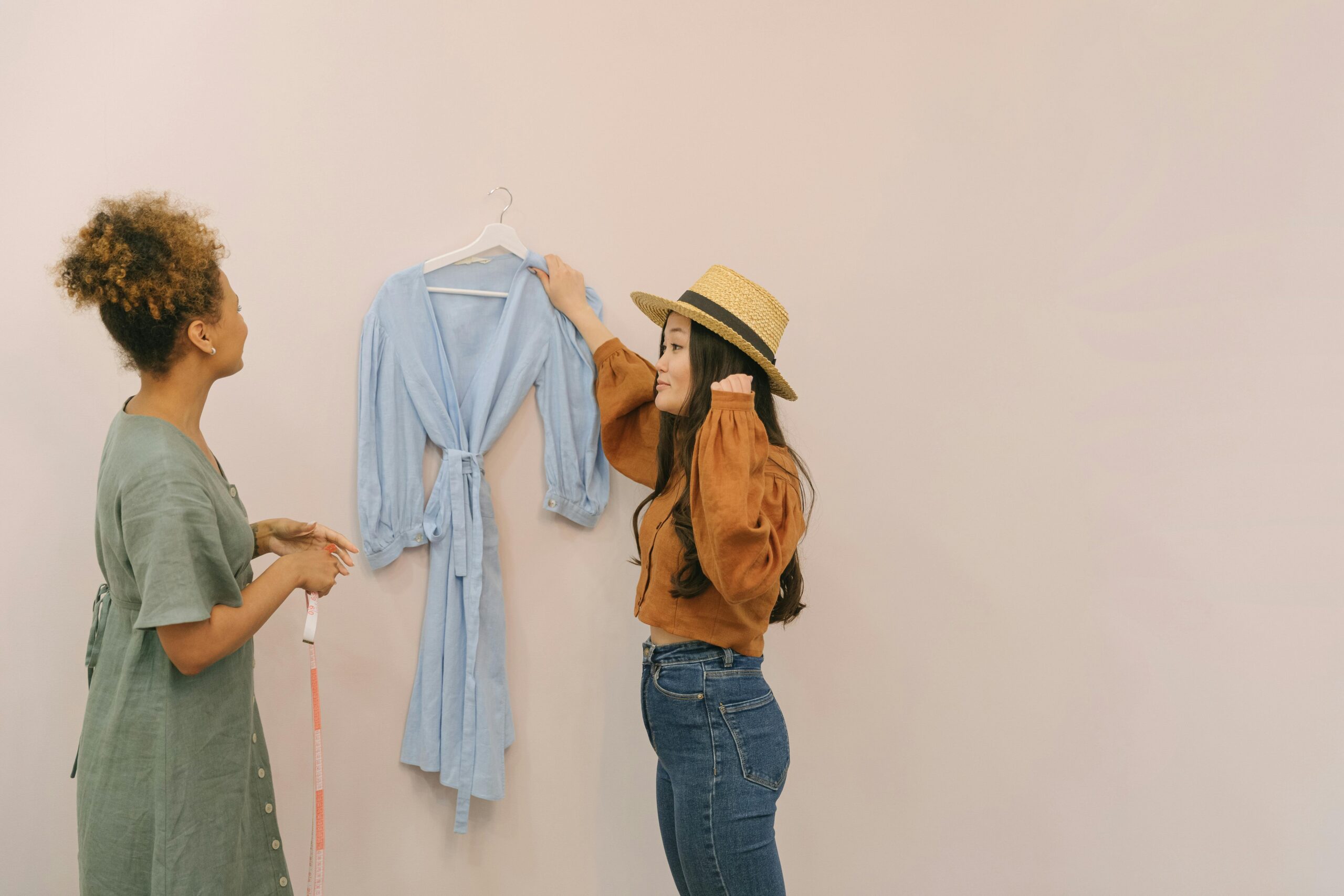
🌟 Embracing Your Personal Fabric Journey
Mastering fabric choice is an ongoing journey rather than a destination. As you gain experience, you’ll develop instincts about which fabrics work for your body, lifestyle, and preferences. You’ll learn to quickly assess garment quality and predict how pieces will integrate into your existing wardrobe.
Pay attention to which garments you reach for repeatedly and which languish unworn. Often, fabric choice makes the difference. That uncomfortable polyester blouse gets ignored while the soft cotton tee sees constant wear. These patterns reveal your fabric preferences and should guide future purchases.
Experiment thoughtfully with new fabrics and blends as technology and sustainable options evolve. The textile industry continually innovates, creating fabrics that balance performance, comfort, sustainability, and style in increasingly sophisticated ways.
Remember that perfect fabric choice is personal and contextual. What works beautifully for one person or situation might be completely wrong for another. Trust your experience, honor your needs, and make decisions that support your authentic style and practical life requirements. With these smart tips and strategies, you’ll confidently select fabrics that help you look and feel your best anytime, anywhere. 🎉
